
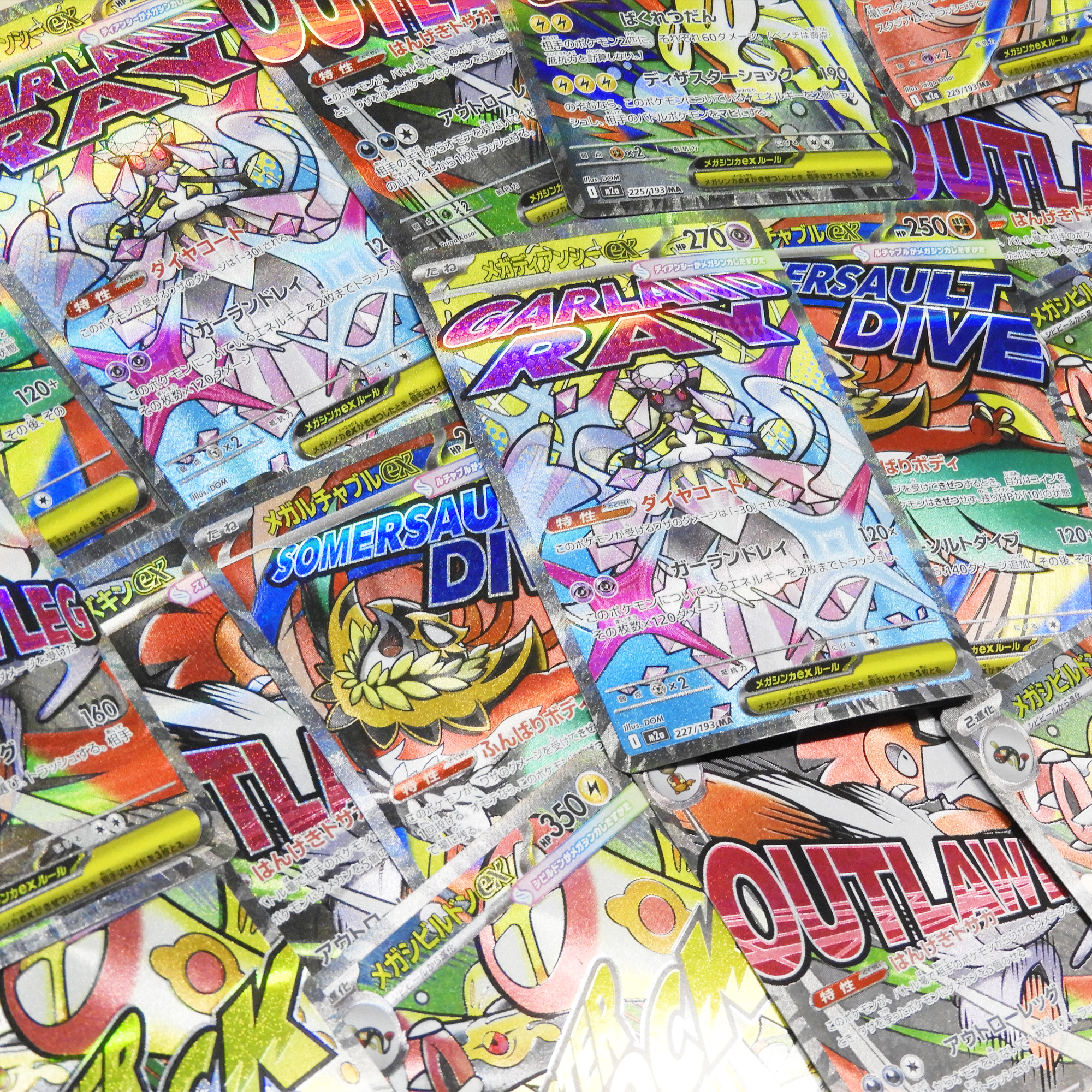
How to Tell if Your Pokémon Cards Are Fake
Learn how to inspect texture, card edges, foil, fonts, symbols and print quality without immediately damaging a potentially valuable Pokémon card.
Counterfeit cards often originate from counterfeit booster boxes and products. Purchasing from reputable suppliers is one of the best ways to avoid fake cards in the first place.
Never rip an expensive card just to test it
Begin with non-destructive checks and contact the seller with clear photographs. A rip test should only ever be considered on inexpensive bulk from the same product. Never destroy the valuable card you are investigating.
Fake Pokémon cards are becoming harder to identify
Counterfeit Pokémon cards range from obvious copies with incorrect artwork to convincing reproductions with holographic effects, embossed surfaces and packaging designed to imitate genuine products.
Older advice such as “fake cards never have texture” is no longer reliable. Some counterfeits now include texture. The important question is whether the pattern, direction and placement match a genuine copy of that exact card.
Genuine cards can also have poor centring, print lines, rough edges, damaged foil and colour variation. One unusual detail does not automatically prove that a card is fake. Look for several independent warning signs.
Why this guide is different: it combines practical close-up examples with checks collectors can photograph and send to a seller, marketplace or payment provider when raising an authenticity concern.
A quick real vs fake Pokémon card checklist
Use this table as a quick starting point, then continue through the detailed checks below.
| Feature | Genuine card | Possible counterfeit sign |
|---|---|---|
| Texture | Matches the official pattern for the exact card. | Smooth when it should be textured, or uses generic embossing. |
| English card edge | A thin dark internal layer may be visible. | No expected dark core, or unusual card-stock construction. |
| Fonts and symbols | Crisp type, correct spacing and accurate symbols. | Wrong letter shapes, spacing, logos or numbering. |
| Foil and holo | Correct pattern, placement and light movement. | Generic rainbow shine or effect in the wrong areas. |
| Print quality | Sharp artwork, clean text and consistent colour. | Blurry text, pixelation, heavy outlines or odd colours. |
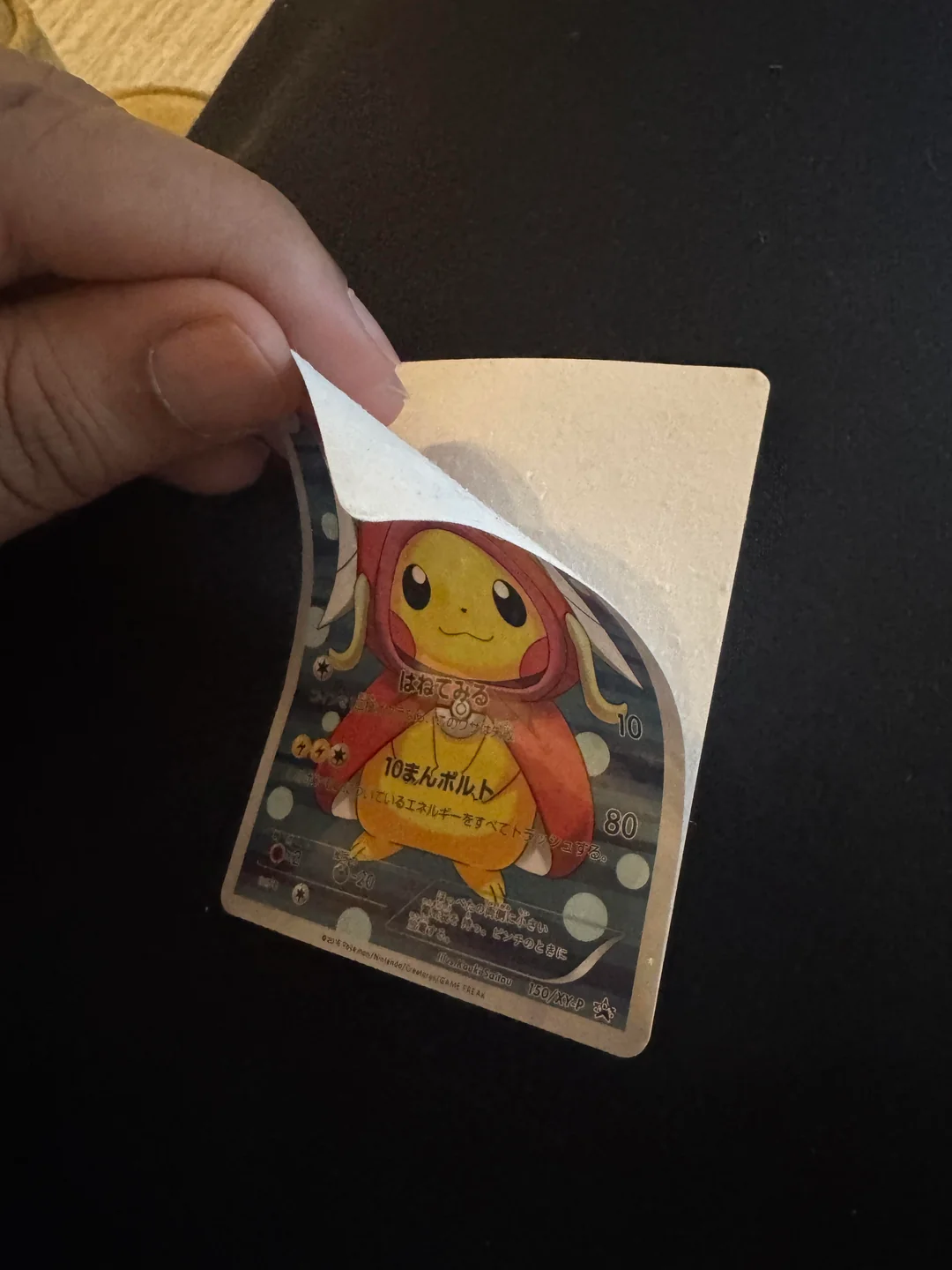
| Peeling | Real cards can peel after damage or deliberate separation. | Peeling alone proves nothing; inspect the layers and printing. |
Texture check: real vs fake Pokémon cards
Feeling raised texture is no longer enough. The pattern must match the genuine version of the exact same card.

What should genuine Pokémon card texture look like?
On an authentic textured card, the pattern is part of the design. It may curve around the Pokémon, follow movement in the artwork, separate the background from the subject or change direction between different areas.
Run a clean fingertip gently across the surface. A genuine textured card should have a fine raised pattern without feeling roughly embossed or plastic-like.
Signs of genuine texture
- Fine, deliberate and consistent raised lines.
- The pattern complements the artwork.
- Different areas may use different directions.
- The layout matches genuine copies of the exact card.
Possible counterfeit signs
- Smooth when the card should be textured.
- Uniform texture running across the whole card.
- Lines that are too deep, rough or plastic-like.
- A pattern that does not match verified copies.
The English Pokémon card edge and black-line check
Genuine English Pokémon cards use layered card stock. A very thin dark core may be visible between the lighter outer layers.

How to check the edge without damaging the card
- Remove the card carefully from its sleeve.
- Hold the edge beneath bright, neutral lighting.
- Inspect the top, bottom and both side edges.
- Use macro mode or close focus on your phone.
- Take several photographs from slightly different angles.
- Compare with a genuine English card from a similar era.
When is a rip test appropriate?
Only consider a rip test when you have an inexpensive common or bulk card from the same product. A torn edge can make the internal layers easier to see, but the test permanently destroys the card.
Compare it with the exact same genuine card
This is one of the strongest non-destructive checks you can perform.
Compare the suspected card with a verified genuine copy using the same card number, language, set, rarity and printing. Do not compare different versions simply because they show the same Pokémon.
Foil peeling: real and fake cards can both peel
Peeling alone does not determine authenticity. The real question is what the card layers, printing and small details reveal.

Fonts, symbols and small printing details
Counterfeiters may copy the main artwork convincingly but make mistakes in the smallest parts of the card.
Details to compare
- Card name and attack fonts.
- HP numbers and energy symbols.
- Card number and rarity symbol.
- Set, PROMO and regulation marks.
- Illustrator and copyright lines.
Possible counterfeit signs
- Letters that are too thick, thin or rounded.
- Uneven spacing between characters.
- Symbols with the wrong shape or proportions.
- Incorrect set-number formatting.
- Malformed copyright or promotional details.
Holographic pattern and light movement
Tilt the card beneath direct light and compare how the holo and texture move across the surface.
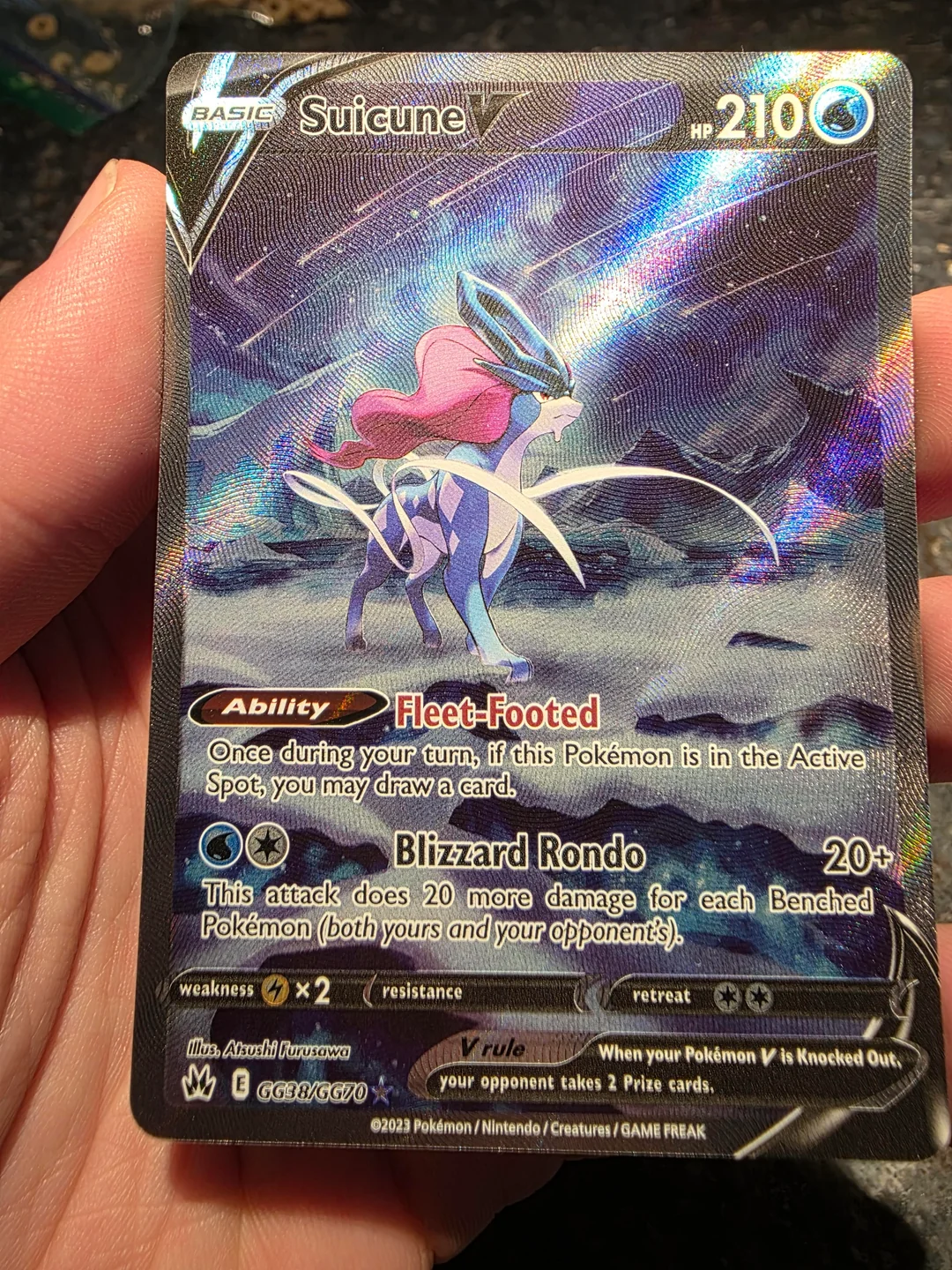
Different Pokémon eras and card types use different holographic technologies. Always compare the same card number, language and printing. A generic rainbow shine is not enough to prove authenticity.
Colour, print quality and surface detail
Check the entire card for sharp artwork, accurate colours, clean text and properly aligned printed elements.
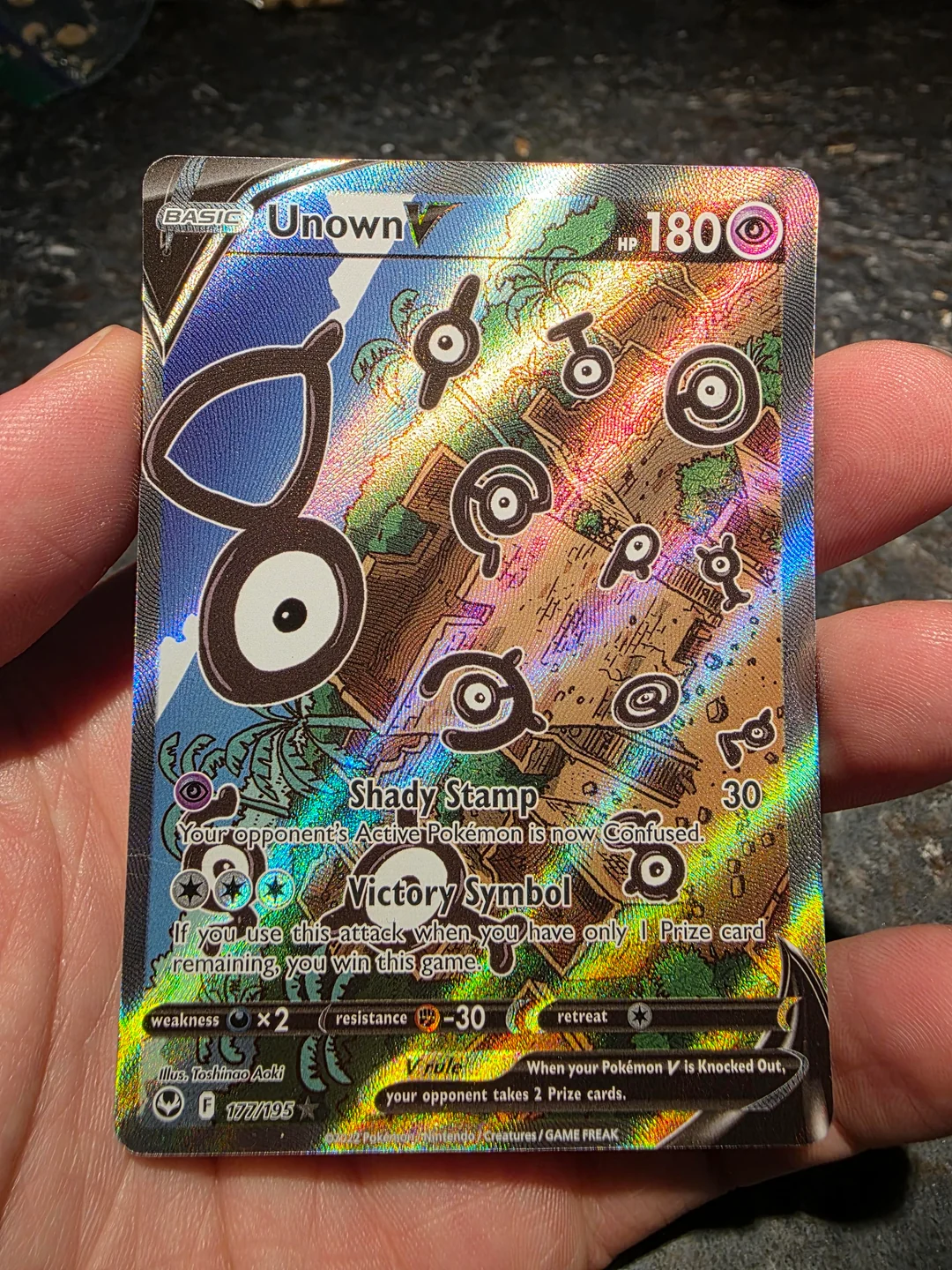
Genuine printing
- Fine details remain sharp.
- Text edges appear clean.
- Colours resemble verified copies.
- Texture and foil align with the artwork.
Possible counterfeit signs
- Pixelated or soft artwork.
- Doubled or poorly aligned text.
- Excessively dark, pale or saturated colours.
- Heavy outlines around letters and symbols.
Common myths about fake Pokémon cards
Counterfeit methods change over time, so older rules are not always reliable.
Fake cards never have texture
Reality: modern counterfeits may include raised texture, but the pattern often does not match the original.
If a card peels, it must be fake
Reality: genuine cards can peel after damage. Check the layers, fonts, symbols and print quality.
Every real Pokémon card has the same black line
Reality: this check mainly applies to English cards, and the dark core can be extremely faint.
Bad centring means the card is fake
Reality: genuine cards can be badly centred or contain other factory defects.
What to do if you believe your Pokémon card is fake
A legitimate seller may not have known a counterfeit entered their inventory. Give them an opportunity to review your evidence.
Stop handling or altering it
Sleeve the card and keep all packaging and receipts.
Take clear photographs
Capture the front, back, edges, texture, holo, card number and packaging.
Contact the seller calmly
Identify the order and explain each concern clearly.
Ask for their reasoning
Request comparison photos or an explanation if they believe it is genuine.
Request a resolution
Use the seller or marketplace's official refund and return process.
Escalate when necessary
Keep listing screenshots, payment records and conversation history.
The easiest way to avoid fake Pokémon cards
Buying from an established retailer or wholesaler with a clear sourcing process is one of the best ways to reduce the risk of counterfeit cards.
At TCG Wholesale HQ, we source Japanese trading-card products through established suppliers and inspect stock when authenticity concerns arise. Retailers can learn more about our sourcing approach and why businesses choose to purchase through us.
Where to escalate an unresolved counterfeit-card dispute
Use the official dispute process connected to the platform or payment method.
How to reduce the risk of buying fake Pokémon cards
Fake Pokémon card questions
Do all fake Pokémon cards feel smooth?
No. Some counterfeit cards now include raised texture. Compare the pattern with a genuine copy of the exact card.
Do real Pokémon cards have texture?
Some do and some do not. Confirm whether the exact card and printing should be textured.
Do real English Pokémon cards have a black line?
Genuine English cards use layered card stock with a thin dark internal layer that may be visible from the edge.
Should I rip a Pokémon card to check it?
Do not rip a valuable card. Only consider it on inexpensive bulk from the same product.
Does peeling mean a Pokémon card is fake?
No. Genuine and counterfeit cards can both peel. Inspect the layers, fonts, symbols, texture and print quality.
Can a genuine card have bad centring?
Yes. Poor centring and other factory defects can occur on genuine cards.
Authenticity and reliable sourcing matter at every level of the hobby
TCG Wholesale HQ supplies trading-card products through established sourcing channels for collectors, retailers and businesses.